 Dr. Payal Mahapatra
Male Infertility: Causes, Diagnosis and Treatment
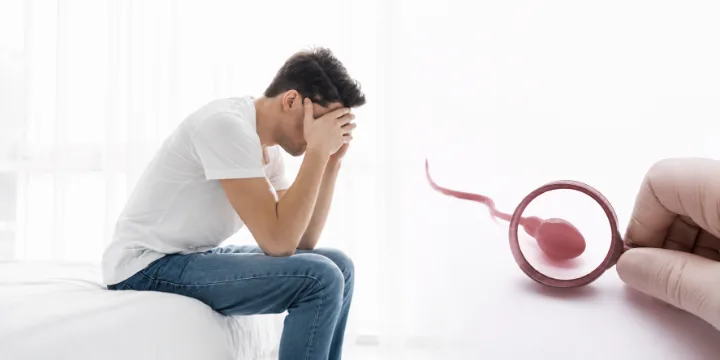
Male factors are involved in nearly half of all infertility cases. Here is what commonly causes it, how it is diagnosed, and how it is treated.
Why male fertility factors matter
Infertility is often assumed to be a female issue, but studies consistently show that male factors contribute to roughly 40–50% of cases, either alone or combined with a female factor. Because of this, at Neo Fertility Clinic we always recommend evaluating both partners together, right from the first visit, rather than starting with tests for the woman alone. Read more about our male infertility treatment programme.
Common causes
- Low sperm count (oligospermia) or absent sperm (azoospermia)
- Poor sperm motility or abnormal sperm shape
- Varicocele, an enlargement of veins in the scrotum
- Hormonal imbalances affecting testosterone or pituitary function
- Undescended testes or prior surgery in the groin
- Infections, including untreated sexually transmitted infections
- Lifestyle factors: smoking, heavy alcohol use, obesity, chronic heat exposure, anabolic steroid use
- Genetic conditions such as Klinefelter syndrome
How it is diagnosed
The starting point is a semen analysis, which assesses sperm count, motility (movement) and morphology (shape). Depending on the results, further tests may include hormone blood tests (FSH, LH, testosterone, prolactin), a scrotal ultrasound to check for varicocele, and in some cases genetic testing or a testicular biopsy. A detailed history covering past infections, surgeries, medication use and lifestyle is equally important.
Treatment options
Treatment depends entirely on the underlying cause. Mild abnormalities may improve with lifestyle changes and a few months of monitoring. Hormonal imbalances can often be corrected with medication. Varicocele may be treated surgically when it is significantly affecting sperm parameters. Where sperm counts are low but sperm are present, IUI or IVF with ICSI (where a single sperm is injected directly into an egg) can achieve pregnancy even with significantly reduced sperm numbers. In cases of complete azoospermia, surgical sperm retrieval techniques combined with ICSI, or donor sperm, may be discussed.
A joint approach at Neo Fertility Clinic
Dr. Payal Mahapatra evaluates both partners together and coordinates with andrologists and urologists when a surgical opinion is needed, so couples get a single, clear treatment plan rather than fragmented advice from multiple specialists.