
Fertility Solutions
In-Vitro Fertilization (IVF) Treatment
IVF is one of the most effective and widely used fertility treatments. An egg is fertilised with sperm in a specialised lab, and the resulting embryo is placed inside the uterus to establish pregnancy.
What IVF is
IVF bypasses many reproductive issues such as blocked fallopian tubes, ovulation disorders, and male fertility concerns. During IVF, an egg is fertilised with sperm in a specialised lab, and the resulting embryo is carefully placed inside the uterus to establish pregnancy.
How it works
The IVF cycle, step by step
Step
01
Initial consultation and fertility assessment
Every journey starts with a detailed consultation and fertility evaluation. Dr. Payal conducts tests to understand the root cause of infertility.

Step
02
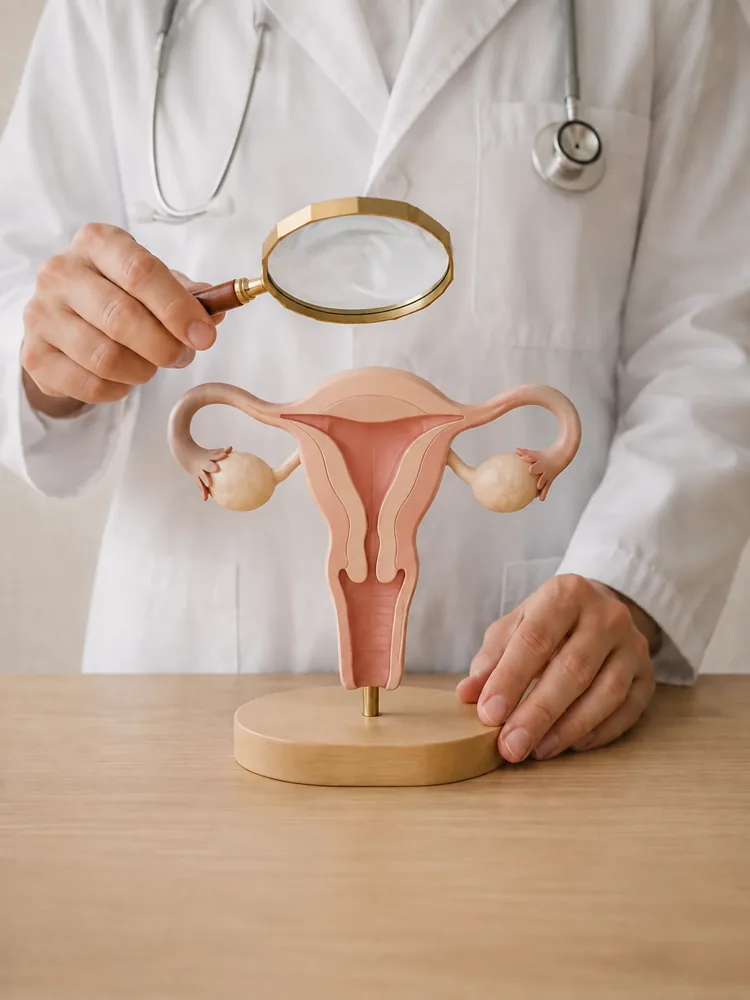
Ovarian stimulation and monitoring
The ovaries are stimulated using fertility medications to produce multiple mature eggs, closely monitored with regular ultrasounds and blood tests.
Step
03
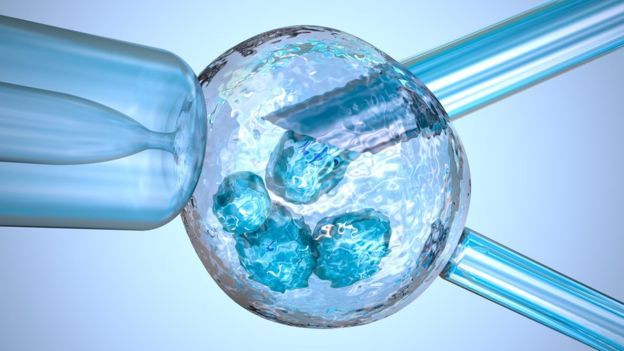
Egg retrieval procedure
Once the eggs are ready, they are retrieved in a minor outpatient procedure under light sedation, using a fine needle guided by ultrasound.
Step
04
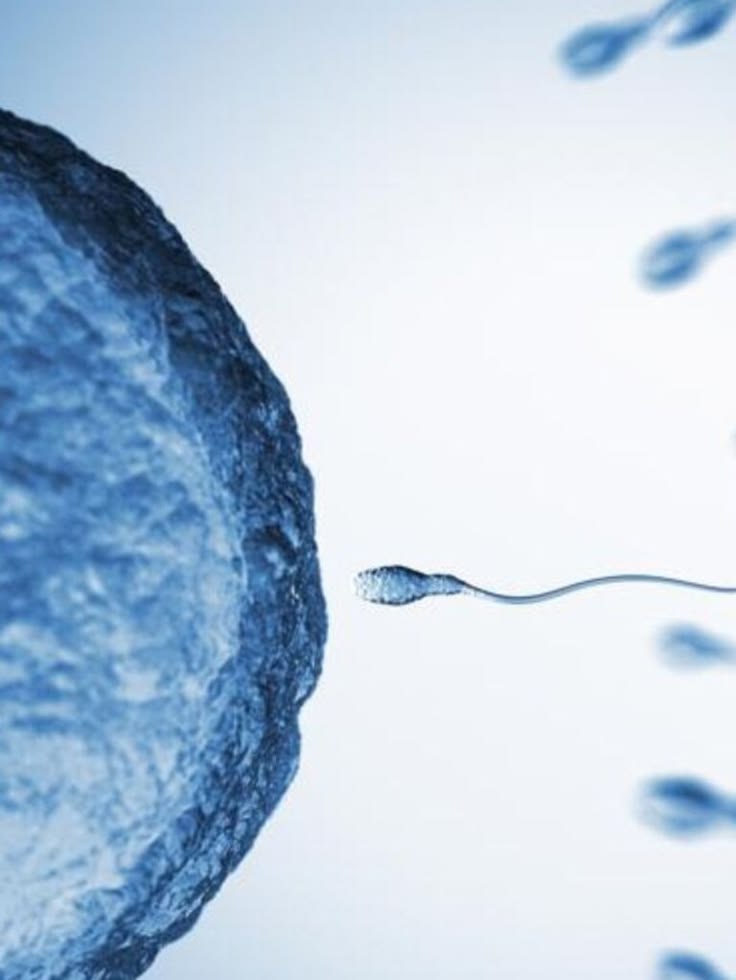
Sperm collection and fertilization
On the same day as egg retrieval, a sperm sample is collected and prepared. The most active and healthy sperm are selected to fertilise the eggs.
Step
05
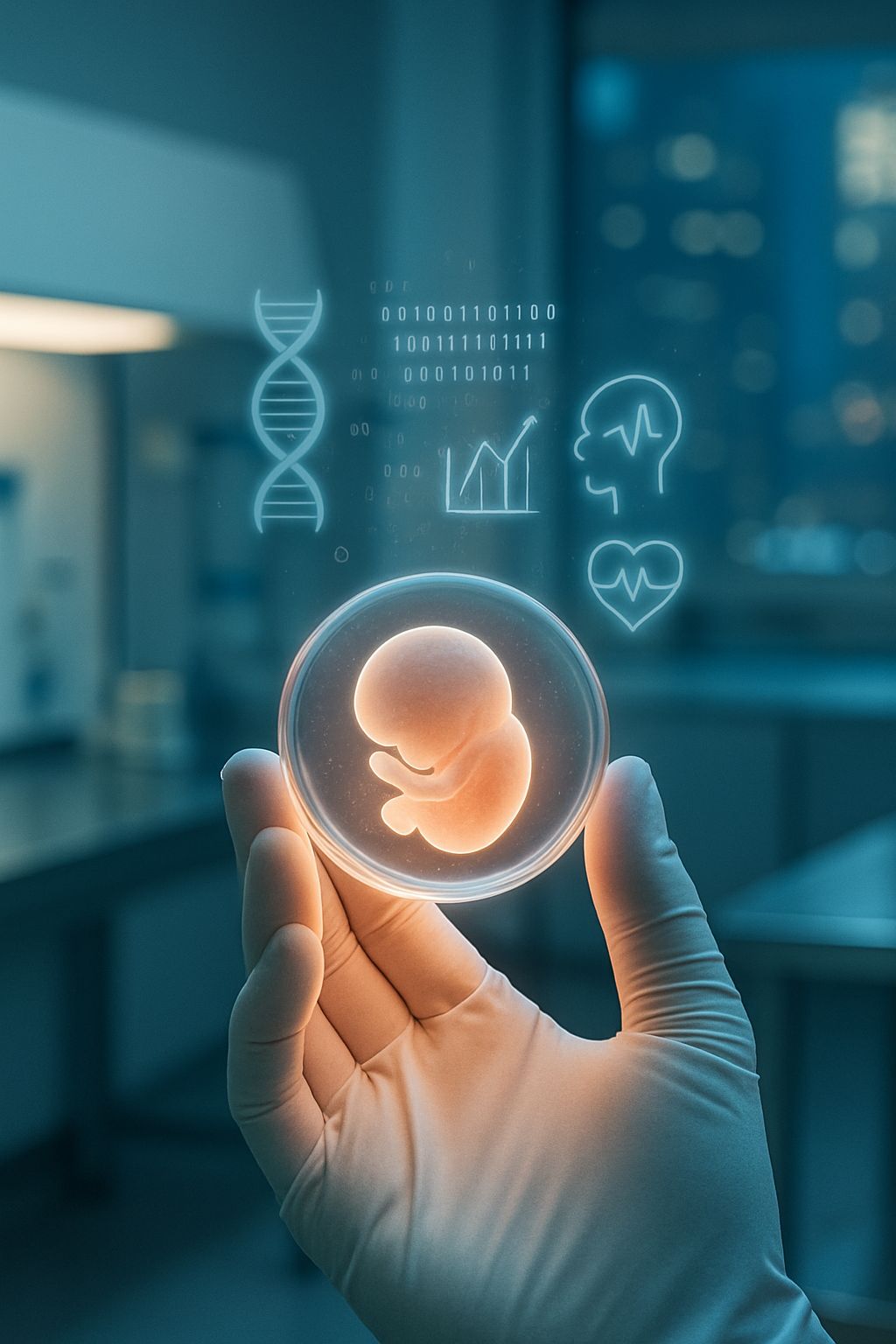
Embryo development and selection
The fertilised eggs are monitored for a few days to ensure proper development. The best-quality embryo is chosen for transfer.
Step
06
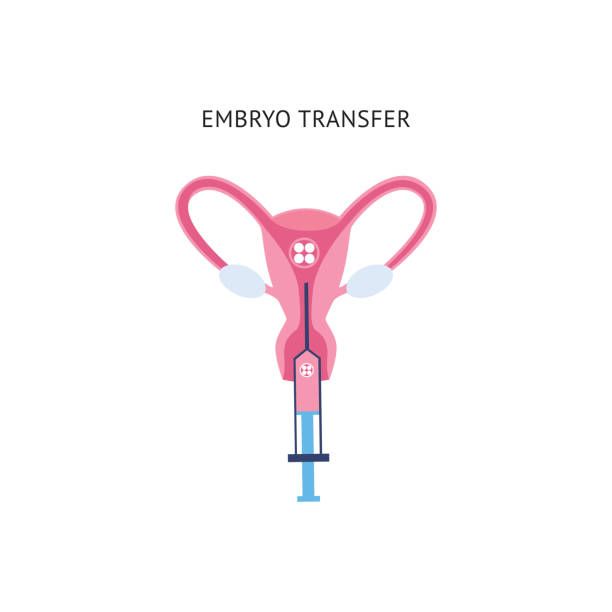
Embryo transfer into the uterus
The selected embryo is transferred into the uterus using a gentle, painless procedure. No anesthesia is required, and patients go home the same day.
Step
07
Pregnancy test and follow-up
After 10 to 14 days, a blood test confirms pregnancy. If successful, close monitoring continues during the early weeks.
A typical IVF cycle timeline
- 01
Day 1 to 14
Ovarian stimulation with hormone injections
- 02
Day 15 to 18
Egg retrieval and sperm collection
- 03
Day 19 to 21
Fertilisation and embryo growth in the lab
- 04
Day 22 to 25
Embryo transfer
- 05
Day 30 to 35
Pregnancy test, 10 to 14 days after embryo transfer
Who it helps
Who can benefit from IVF
- Blocked or damaged fallopian tubes: IVF bypasses the fallopian tubes, making pregnancy possible
- Ovulation disorders such as PCOS and irregular periods
- Low sperm count or poor sperm quality, where ICSI is used within IVF
- Unexplained infertility, where no medical reason is found
- Endometriosis, where IVF improves pregnancy rates
- Age-related fertility decline, for women in their late 30s and 40s with lower egg reserves
| Age group | Success per cycle |
|---|---|
| Women under 35 years | 50 to 60 percent |
| Women 35 to 40 years | 40 to 50 percent |
| Women over 40 years | 20 to 30 percent |
Success rates vary based on age, ovarian reserve, sperm quality, uterine health and lifestyle. Rates improve when advanced techniques such as ICSI, frozen embryo transfer, blastocyst culture and preimplantation genetic testing are used.
| Item | Price range |
|---|---|
| Initial consultation and tests | ₹3,000 to ₹5,000 |
| IVF treatment cycle | ₹1,00,000 to ₹2,00,000 |
| ICSI, if needed | ₹30,000 to ₹50,000 |
| Frozen embryo transfer | ₹50,000 to ₹80,000 |
| Preimplantation genetic testing | ₹1,00,000 and above |
Risks include mild bloating and cramps from hormone medications, a rare risk of Ovarian Hyperstimulation Syndrome, and a chance of multiple pregnancy if more than one embryo is transferred. We use individualised treatment plans to minimise these risks and provide medical and emotional support throughout.
Clinical volume
Treated by Dr. Payal Mahapatra
MBBS, DGO, DNB - OBG, Fellowship in Reproductive Medicine. As of August 2026.
18
Years Experience
80k
Patients Treated
6.7k
IUI procedures
3.7k
Fertility surgeries
2k
IVF cycles
1k
Deliveries
FAQ
Questions patients ask
Considering IVF?
Book a consultation for a detailed fertility assessment and a written estimate for your IVF cycle.
Monday to Sunday, 09:30 to 18:30