
Fertility Solutions
Intracytoplasmic Sperm Injection (ICSI)
ICSI is a specialised IVF technique that involves injecting a single, healthy sperm directly into an egg, increasing the chances of fertilisation. It is especially beneficial for couples dealing with male factor infertility.
What ICSI is
ICSI is an advanced form of assisted reproductive technology used alongside IVF to improve fertilisation rates where sperm quality, quantity, or motility is an issue. Unlike conventional IVF, where sperm fertilises the egg naturally in a petri dish, ICSI ensures that a single selected sperm is precisely injected into the egg using a microneedle. This high-precision technique bypasses sperm-related fertility issues.
How it works
The ICSI process, step by step
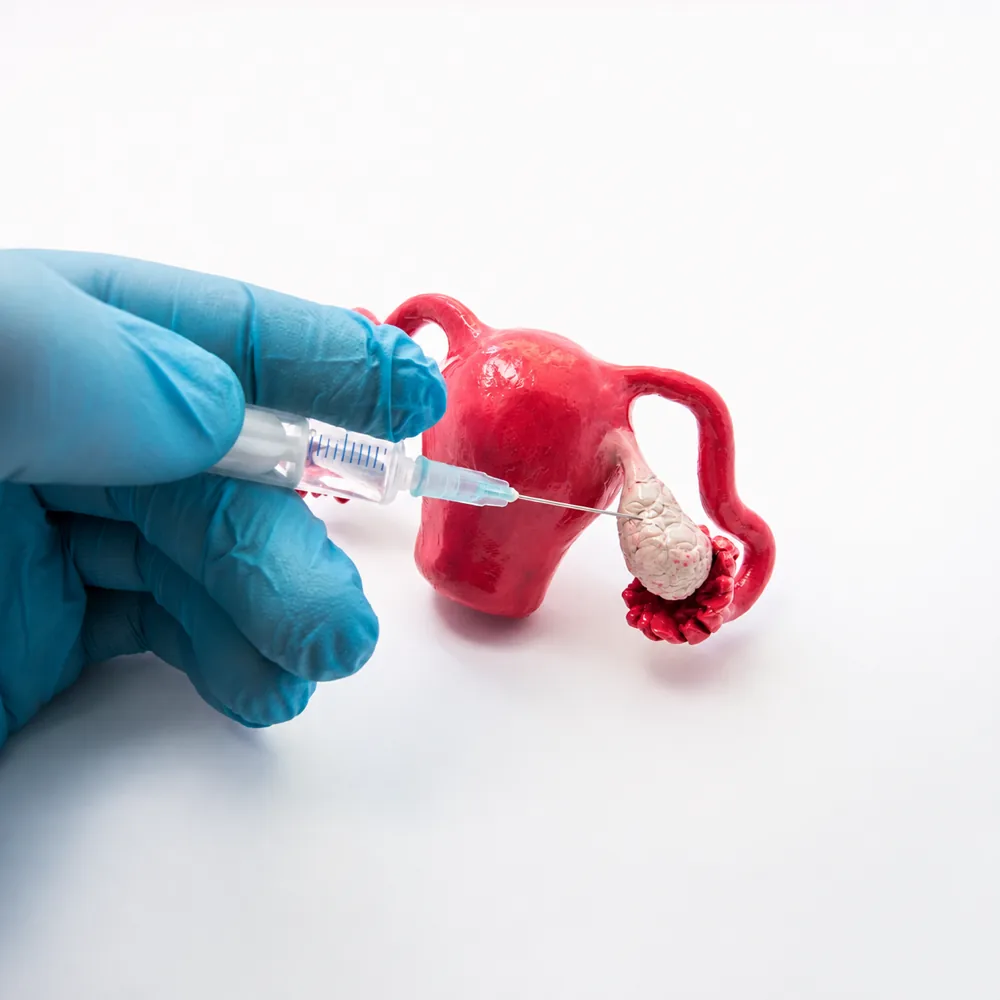
Ovarian stimulation and monitoring
The female partner receives hormonal injections to stimulate the ovaries to produce multiple mature eggs. Regular ultrasounds and blood tests monitor follicle development.

Egg retrieval procedure
Once the eggs are mature, they are retrieved through a minor outpatient procedure under sedation. The procedure is painless and takes 10 to 15 minutes.
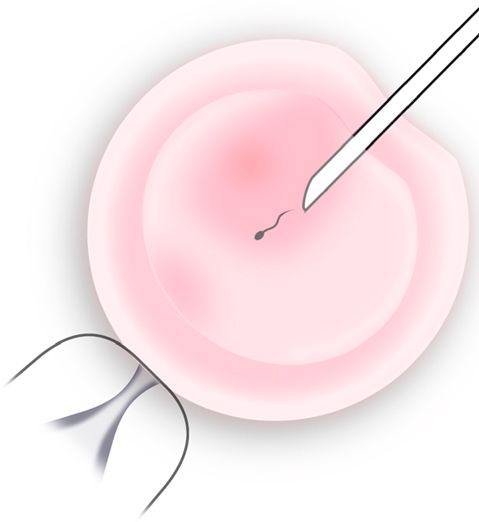
Sperm selection and injection
A single, healthy sperm is selected and injected directly into each mature egg using a fine microneedle in the lab.
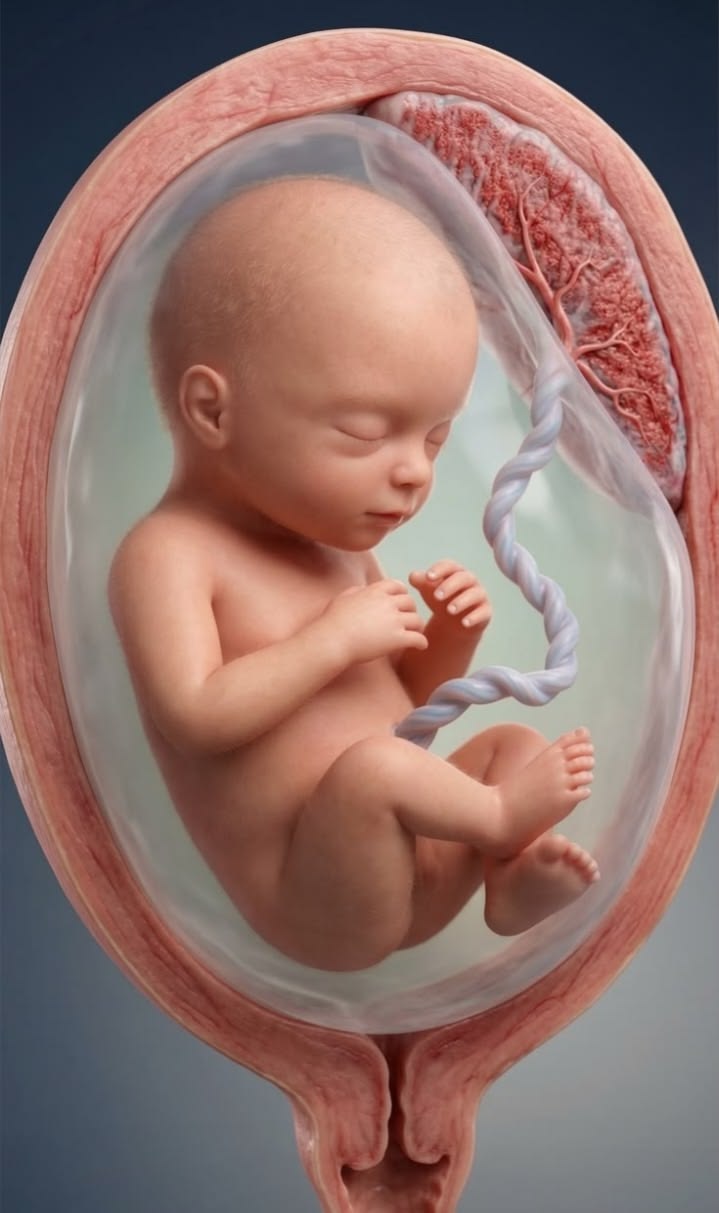
Embryo development
Fertilised eggs are monitored for a few days as they develop, and the best-quality embryo is chosen for transfer.
Embryo transfer and pregnancy test
The embryo is transferred into the uterus without anesthesia. A pregnancy test follows 10 to 14 days later.
A typical ICSI cycle timeline
- 01
Week 1 to 2
Ovarian stimulation with hormone injections
- 02
Week 3
Egg retrieval and sperm collection
- 03
Week 3 to 4
Fertilisation via ICSI and embryo development in the lab
- 04
Week 4 to 5
Embryo transfer to the uterus
- 05
Week 6
Pregnancy test to confirm success
Who benefits
ICSI is best suited to
- Low sperm count, or oligospermia
- Poor sperm motility, or asthenozoospermia
- Abnormal sperm morphology, or teratozoospermia
- Failed fertilisation in a previous conventional IVF cycle
- Sperm retrieved surgically via TESA or PESA
| Item | Price range |
|---|---|
| ICSI procedure, standalone | ₹30,000 to ₹50,000 |
| Full IVF and ICSI cycle | ₹1,80,000 to ₹2,50,000 |
| Surgical sperm retrieval, TESA or PESA | ₹20,000 to ₹40,000 |
| Frozen embryo transfer, if needed | ₹50,000 to ₹80,000 |
Risks include mild bloating or discomfort from ovarian stimulation, a rare risk of Ovarian Hyperstimulation Syndrome, and a chance of multiple pregnancy if more than one embryo is transferred. In rare cases, sperm injection does not result in fertilisation.
Clinical volume
Treated by Dr. Payal Mahapatra
MBBS, DGO, DNB - OBG, Fellowship in Reproductive Medicine. As of August 2026.
18
Years Experience
80k
Patients Treated
6.7k
IUI procedures
3.7k
Fertility surgeries
2k
IVF cycles
1k
Deliveries
FAQ
Questions patients ask
Discuss ICSI with a specialist
Book a consultation to find out whether ICSI is needed alongside your IVF cycle, based on semen analysis results.
Monday to Sunday, 09:30 to 18:30