
Fertility Solutions
Egg Freezing and Preservation
Egg freezing gives you the freedom to plan your future without worrying about age-related fertility decline, whether the reason is medical, career, or personal choice.
What egg freezing is
Egg freezing, or oocyte cryopreservation, is a fertility preservation technique that allows women to freeze their eggs at a younger age and use them later when they are ready to conceive. It suits women who want to delay motherhood for career reasons, medical reasons, or personal choice.
Why consider it
Reasons to freeze your eggs
- Preserve fertility before age-related decline, since freezing eggs younger increases future success rates
- Medical reasons: cancer treatment, surgery, or other conditions that may affect fertility
- Personal or career planning, for those not ready to start a family now
- Support for IVF treatment: eggs can be frozen for future fertility treatment cycles
Who it suits
Egg freezing is a good fit for
- Women in their 20s and early 30s, when egg quality and quantity are highest
- Women with medical conditions, including those undergoing chemotherapy, radiation, or ovarian surgery
- Women with a family history of early menopause
- Career-focused women who wish to delay pregnancy
- Women considering IVF later in life, since frozen eggs improve later IVF success
How it works
The egg freezing process, step by step
Step
01
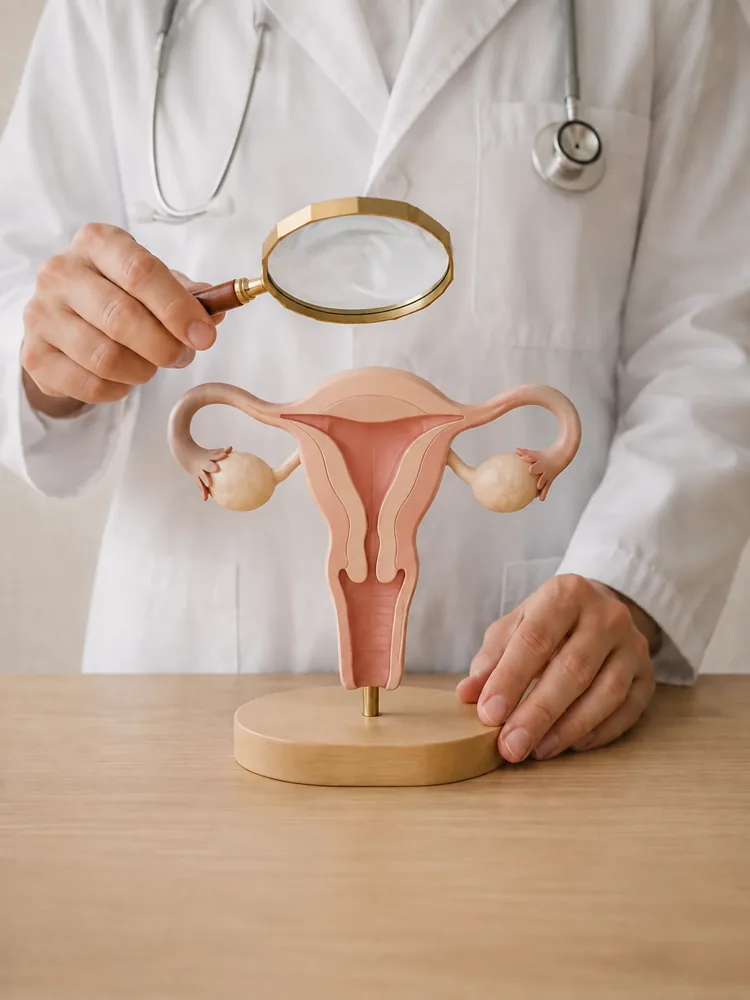
Initial consultation and fertility testing
Hormonal blood tests and ultrasound scans assess ovarian reserve and suitability for egg freezing.

Step
02
Ovarian stimulation and monitoring
Hormonal injections are given for 10 to 12 days to stimulate egg production, with regular monitoring via ultrasound and blood tests.
Step
03
Egg retrieval procedure
Mature eggs are collected in a short, painless procedure under light anesthesia.

Step
04
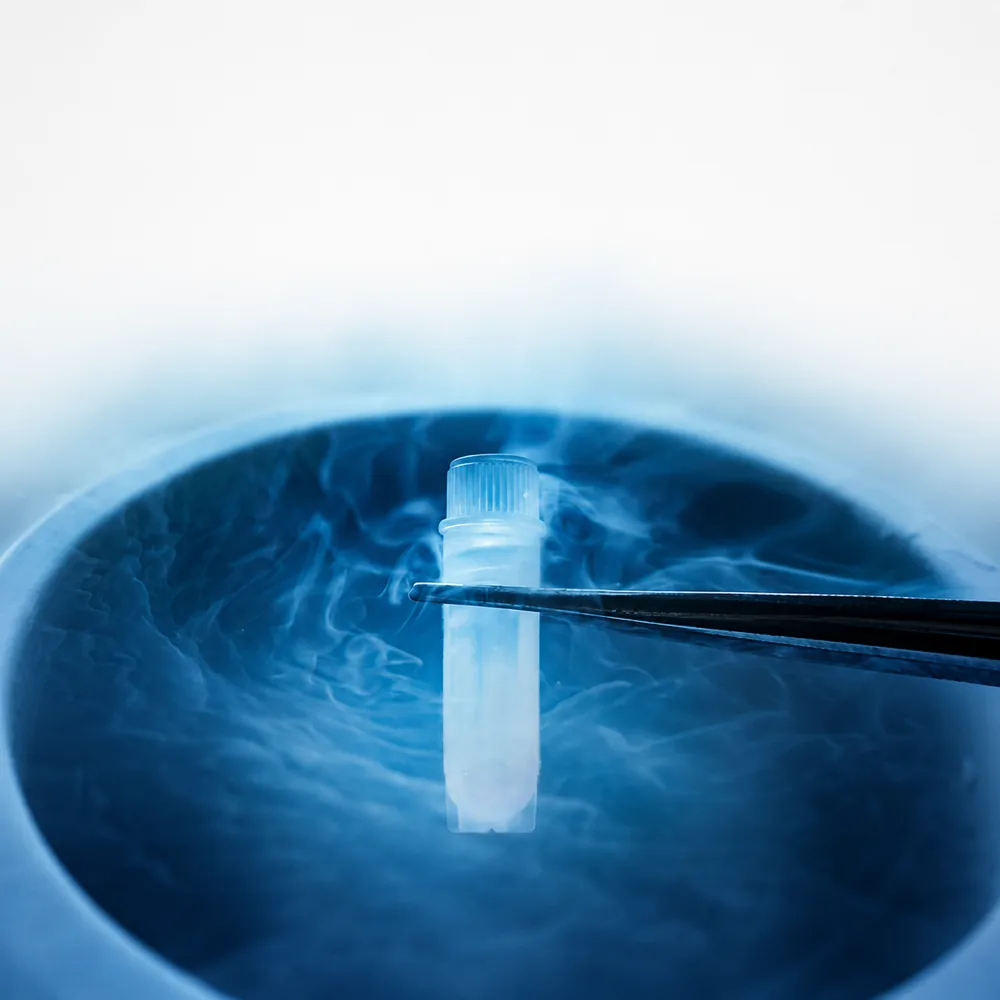
Cryopreservation
Vitrification is used to rapidly freeze eggs at ultra-low temperatures to maintain quality.
Step
05
Egg storage for future use
Eggs are safely stored in a specialised cryogenic facility until you are ready to use them.

| Age | Recommended number of eggs |
|---|---|
| Under 35 years | 10 to 15 eggs |
| 35 to 40 years | 15 to 20 eggs |
| 40 years and above | More than 20 eggs |
What affects success
Success depends on your age at the time of freezing (younger eggs mean higher success rates), the number of eggs frozen (10 to 15 or more improves the chances of a future pregnancy), and laboratory technology. The vitrification method used gives a 97 percent survival rate after thawing.
The process is minimally invasive. Ovarian stimulation may cause mild bloating similar to PMS, and egg retrieval under light anesthesia takes 10 to 15 minutes, with mild cramping or bloating afterwards that usually resolves within a day or two.
Clinical volume
Treated by Dr. Payal Mahapatra
MBBS, DGO, DNB - OBG, Fellowship in Reproductive Medicine. As of August 2026.
18
Years Experience
80k
Patients Treated
6.7k
IUI procedures
3.7k
Fertility surgeries
2k
IVF cycles
1k
Deliveries
FAQ
Questions patients ask
Considering egg freezing?
Book a consultation for ovarian reserve testing and an honest conversation about timing before deciding.
Monday to Sunday, 09:30 to 18:30